We didn't start the fire
You must leave now, take what you need
you think will last
But what every you chose to take,
you'd better garb it fast
you think will last
But what every you chose to take,
you'd better garb it fast
- Bob Dylan (Baby Blue)
I am the god of hell fire
And I bring you FIRE
And I bring you FIRE
- Arthur Brown (Fire)
Greetings
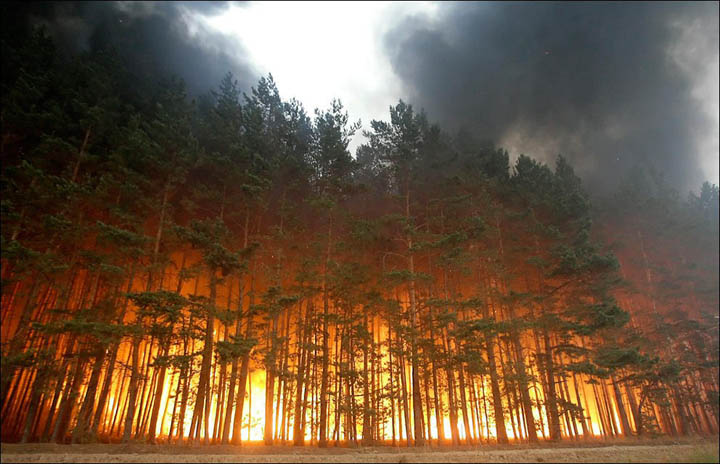
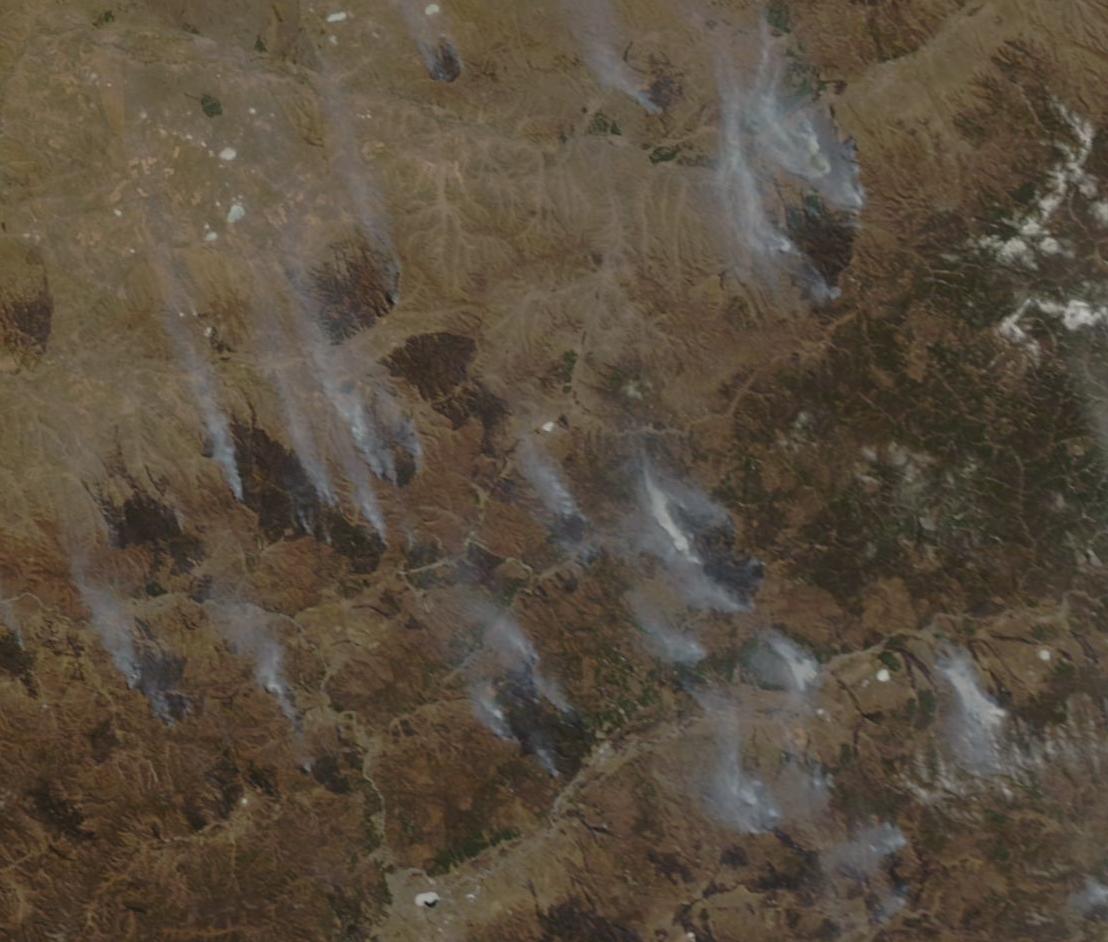
In case you haven't heard, northern Canada is on fire . Its pretty amazing . Yesterday, I read that they are trying to put together a convoy to get out of town, but were turned back by a 200 foot wall of flames . see here Here's a few sites to take a look at : NASA, Elizabeth Colbert take from the New Yorker., Roberts Scribbler has very good coverage especially in the comments .
The situation is not limited to Alberta. BC has turned down requests to send fire fighters to Alberta becasue their own early fire season. see here Of course it's been well known that the Canadian boreal forests were a likely victim of climate change . Here's a study from the the National Academy of Sciences from 2013.
So, what to make of this?
Here's an interesting spin. Humans are not likely to act until they get hit with a two by four "up side" the head.. Here David Goldstein suggests that this type of disaster has a good side, in that it may finally inspire action, and forestall even worse things later. He says:
>>>
"Your first wish may be that humanity wake up and take responsible climate action soon. Great. That is my first wish as well. But, sadly, sometimes first wishes do not come true. So what is your wish assuming that only wider and deeper suffering will wake us to change our unhealthy behaviors? What is your wish, knowing that any further damage we incur is cumulative and not reversible for many decades? Though it hurts my heart more than I can say, I can no longer escape this conclusion: If, as it seems, we are set on pushing the climate out of balance to the point where it becomes unbearable, then the quicker the better. “Burn, baby, burn”, so that maybe, possibly, hopefully... the healing can begin.".
Its one way to make a silk purse .
One thing about this theory , is, of course, that it only works if the person getting hit by the two by four has the ability to make the necessary changes. So far this has not been the case. Last week, I went to a presentation on how the health folks are trying to get a handle on their role in the new climate changed world. The presenter pointed out one unfortunate fact about the situation. That is , that while the problem is caused by the super consumers , the impacts are initially felt primarily by the poor - such as day laborers who must work outside in the heat, or the elderly who suffer in hot apartments.
The same principle applies internationally. For instance see this report from Robert Scribbler's blog on the situation in India.
>>
>>
>>
>> "Throughout April and into early May temperatures have soared to well above 104 degrees Fahrenheit (40 C) and to sometimes higher than 122 F (50 C) all across the broad plains at the feet of the Himalayas. There, water stress now affects more than 330 million people. There, water trains are now necessary to keep whole towns from suffering dehydration. Farmers who have seen fields transformed into a baked white hard-pan are migrating to the cities in search of food, water and work. And armed guards now patrol the local water sources in regions hardest hit by the drought — preventing private farmers from stealing public water supplies for their crops.
>>
>>
>> "Throughout April and into early May temperatures have soared to well above 104 degrees Fahrenheit (40 C) and to sometimes higher than 122 F (50 C) all across the broad plains at the feet of the Himalayas. There, water stress now affects more than 330 million people. There, water trains are now necessary to keep whole towns from suffering dehydration. Farmers who have seen fields transformed into a baked white hard-pan are migrating to the cities in search of food, water and work. And armed guards now patrol the local water sources in regions hardest hit by the drought — preventing private farmers from stealing public water supplies for their crops.
>>
>>
>>
>> The temperatures are so high that more than 300 people have now perished as a result of heat injuries. And Indian officials have now banned cooking during the day in an effort to reduce loss of life. But today the forests themselves are cooking as the air is filled with the smoke of more than 21,000 fires burning upon the flanks of India’s great mountain ranges."
>>
>>
>> The temperatures are so high that more than 300 people have now perished as a result of heat injuries. And Indian officials have now banned cooking during the day in an effort to reduce loss of life. But today the forests themselves are cooking as the air is filled with the smoke of more than 21,000 fires burning upon the flanks of India’s great mountain ranges."
see also Major wildfire outbreak In Central and Western Africa As Drought, Hunger Grow more widespread. Se also How Climate Change Affects the Poor
So who has the power to make a change. Well, the 1%, I suppose. But bear in mind that it only takes $34,000 in income to be in the global 1%.
I wonder, if "we" didn't start the fire, who did?
For information about the Break Free From Fossil Fuels see here
posted by Walter @ 6:06 AM
0 Comments